Skip to content

© SIB Sound Informed Breathing – Breathing therapy through speech. All rights reserved, 2026.

About SIB
Breathe better through speech

It is impossible to speak without breathing. Conversely, speaking influences breathing: vowels and consonants modify our exhalation. Sound Informed Breathing uses sounds, syllables, and rhythmic sentences for targeted breathing therapy.


How breathing and sounds are connected

Every sound is based on a certain breathing process. Breathing is shaped by the resistance to the flow of breath at the point of articulation (lips, tongue, palate, larynx) pertaining to the sound. The sound «H», spoken as the exclamation «Ha», requires only the glottis as resistance.

The sound «M», on the other hand, requires closed lips, which direct the breath through the nose, as well as the glottis, the closure of which makes the sound voiced. Thus, the sounds we utter when we speak continuously hold back the flow of breath and direct it to specific places in our body.

What can SIB do?

SIB can increase well-being in general, but it can also be used by certified practitioners for treating breathing disorders and respiratory diseases*, no matter whether they are caused by psychological stress (e.g. anxiety and excitement) or by physical influences (diseases of the lungs and respiratory tract).

*Full training or further education is required for treating disorders and diseases with SIB. The authors accept no responsibility for any harm or problems that may arise from improperly executed exercises.

Features of the SIB therapy

  • SIB modulates breathing by directing attention to the sounds, syllables, rhythms, and sentences that exercise and promote breathing in a targeted manner.
  • A healthy rhythm is established automatically after interventions via speech.
  • Long-term practise leads to sustainable improvements.

The therapeutic objectives of Sound Informed Breathing

All SIB exercises serve multiple purposes, as most disorders affect multiple dimensions of breathing.

What does it take to make SIB therapy successful?

In addition to precise articulation and correct movements, timing is also important.

Precise articulation

The sound or syllable must be pronounced clearly and precisely at the correct point of articulation. Therefore, articulation should be practised before it is combined with movements.

Correct movements

The movements that accompany breathing must be performed correctly.

Timing

It is essential to coordinate the dynamics and timing of sound formation, breathing, and movement.

Who developed SIB?

Sound Informed Breathing (SIB) was developed by Swiss drama and speech therapist Dietrich von Bonin together with colleagues in Switzerland and abroad.

The interventions described have proven themselves over many years of application by numerous specialists, and their effects have been outlined in scientific studies.

Dietrich von Bonin

Dietrich von Bonin is a certified arts therapist (ED) specialising in drama and speech therapy and an SVAKT arts therapist for Anthroposophic Therapeutic Speech. He runs a practice in Bern, is president of the Quality Assurance Commission for the Higher Professional Examination in Arts Therapies, and regularly holds courses and lectures at international seminars. He is also the author of various publications on arts and speech therapy.

Dietrich von Bonin is father to three adult daughters and lives in the Bern region of Switzerland.

Sprachtherapeut Dietrich von Bonin

Further information

Would you like to learn more about SIB? Interested therapists are welcome to contact us directly. If you have any questions as a client, our certified SIB practitioners will be happy to help.

Video tutorials on SIB exercises

Clients and practitioners can use the exercise portal to learn or brush up on SIB exercises through practical video tutorials for an annual fee.

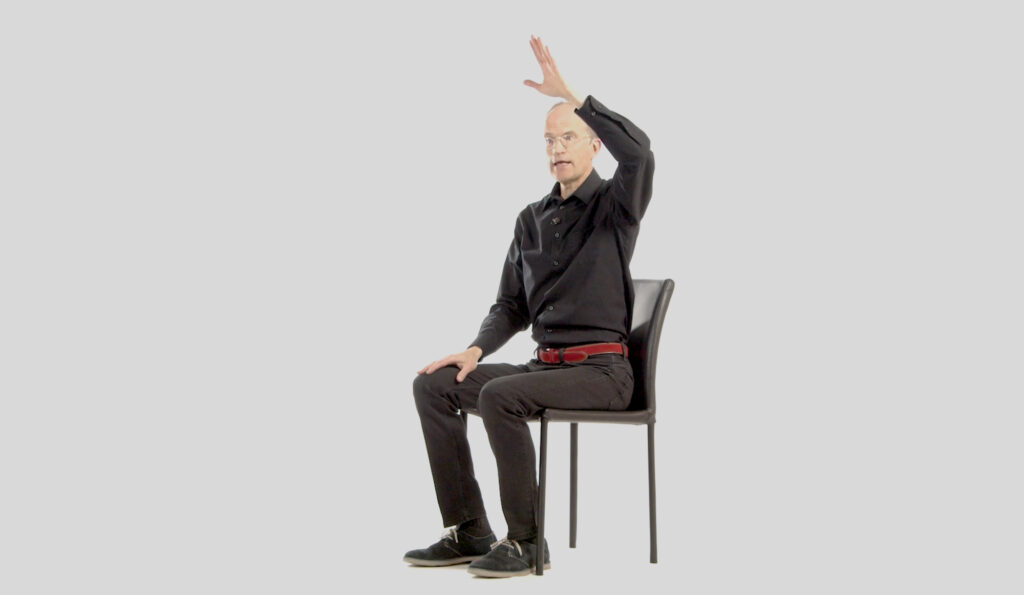
A basic version of each exercise is demonstrated in a video. Further ways of carrying out the exercise and its objectives, as well as indications and contraindications, are described.

Many thanks to Brenda Ratcliffe, Sibylle Eichstaedt, Beatrice Voigt and Helen Lubin for the English translations and improvements.

Are you a therapist and would like to practise SIB?

Get in touch. We will gladly provide you with information on our training opportunities.